Bar With Private Room Menu Planning for Private Events
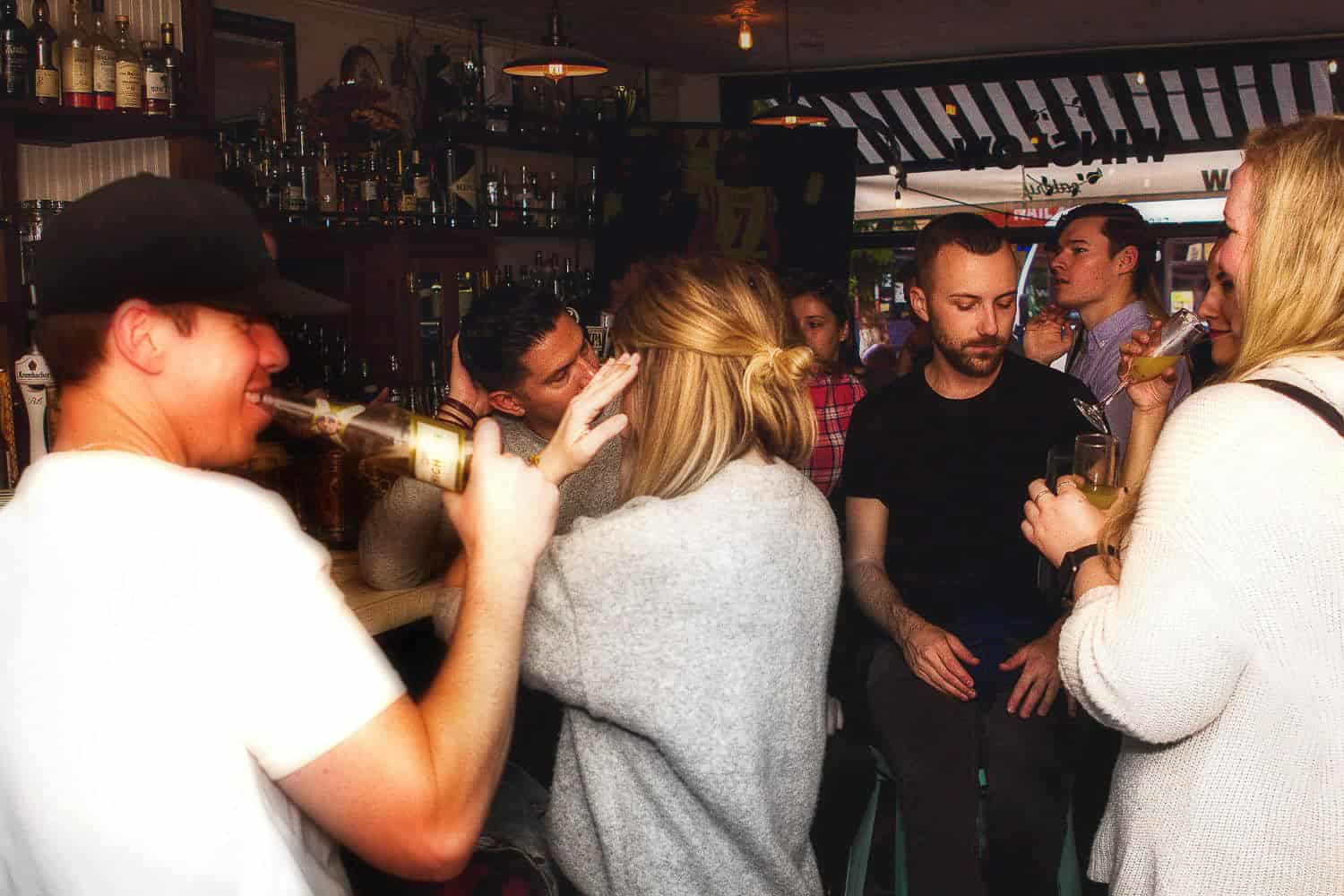
A private event can feel effortless to guests and still be held together by a hundred small decisions behind the scenes. Menu planning is usually where that tension shows up first. People remember the drinks, the flow of food, and whether they ever had to stand around with an empty glass while the room stalled. They also remember the opposite, when service moved naturally, the food fit the mood, and the host never looked rattled.
That is why menu planning for a Bar With Private Room deserves more attention than many hosts give it. The private room itself solves only one part of the event. It gives you separation, a sense of occasion, and often better control over sound, seating, and service. The menu is what turns that room from rented square footage into an experience that feels intentional.
The right plan depends on what kind of event you are holding, how long guests will stay, whether people will be seated, and what role alcohol is meant to play. A birthday gathering with passed appetizers needs a different structure from a company milestone dinner. A networking event that begins at 5:30 p.m. Has one set of expectations. An engagement party that stretches deep into the evening has another.
Good menu planning starts when you stop thinking in categories like food and drinks, and start thinking in terms of guest behavior. People arrive at different speeds. Some head straight for the bar. Some want food immediately, especially if they came from work. Some will avoid alcohol completely and notice very quickly if the nonalcoholic options feel like an afterthought. The strongest menus account for all of that before the first guest walks through the door.
Start with the event’s real purpose
Hosts often describe private events in broad social terms. They say they want something elegant, relaxed, lively, or memorable. Those descriptions help, but they are not enough for menu decisions. What matters more is the function of the gathering.
If the event is meant to encourage conversation, heavy plated service can work against you. Guests become tied to their seats, service timing slows the room, and speech patterns shift around course delivery. If the goal is celebration and energy, the menu should support circulation, pace, and rhythm. Small plates, well-timed replenishment, and a concise drinks program often do that better than a long dinner.
Business events require another kind of judgment. Many companies want hospitality without excess. That usually means a menu that feels polished but not indulgent, with visible attention to dietary inclusivity and drinking moderation. In those settings, a Bar With Private Room can be a strong choice because it offers atmosphere without forcing a full formal banquet structure. Still, atmosphere can backfire if the menu signals party before the event has earned that tone.
Weddings, rehearsal dinners, anniversaries, and family gatherings tend to bring wider age ranges and more varied expectations. That is where flexibility matters most. A menu should allow the guest who wants a full meal to feel looked after, while still serving the guest who wants only a cocktail and a few bites. When one side of that equation gets ignored, satisfaction drops quickly.
Guest count changes the menu more than most people expect
There is a big difference between planning for 18 guests and planning for 60, even if the room can accommodate both. At lower counts, you can afford nuance. Individual orders might still be manageable. Service staff can answer more questions. Specialty cocktails can be shaken fresh without bogging down the bar. Food can arrive with more precision.
Once the numbers rise, complexity becomes expensive, sometimes visibly so. A menu with too many choice points slows down both kitchen and bar operations. Guests feel that delay before they understand its cause. Orders stack up, cocktails come out unevenly, and the host starts asking whether the next tray is on the way. At that point the menu is not simply a culinary decision. It has become a logistics problem.
For that reason, larger private events usually benefit from controlled variety rather than broad variety. Give guests enough range to feel considered, but not so many moving parts that service suffers. In practice, that may mean a shorter cocktail selection, family-style food packages, or a curated set of passed and stationary items rather than open ordering from the full bar and kitchen.
This is also where room layout matters. If the private room has its own dedicated bar, drink service can support a more ambitious menu. If all beverages must travel from a main bar outside the room, the menu should compensate. That may mean fewer custom cocktails and more efficient options like wine, beer, a prebatched house cocktail, and one spirit-free drink with real character.
Match food format to the timeline
The timing of the event should shape the menu as much as the budget does. Hosts often ask whether they need “full food,” but that question is too vague to be useful. What you need depends on duration and daypart.
A two-hour event from 4:30 to 6:30 p.m. Can succeed with substantial appetizers and strong beverage planning, especially if the invitation signals cocktails and light bites. A three- or four-hour event over a normal dinner window usually needs a more complete food structure. Guests arriving hungry at 7:00 p.m. Will not be satisfied by elegant but sparse canapés, no matter how attractive they are.
There is also a difference between food that looks abundant and food that is actually filling. Crudités, tiny tartlets, and skewers can make a table look active, but they do not always anchor an event. Sliders, flatbreads, satay, substantial dips, hearty crostini, and composed skewers with protein tend to carry more real value. The trick is to balance perceived refinement with practical satiety.
A mistake I have seen more than once is overcommitting to passed service for long events. Passed appetizers create movement and polish during the opening stretch. After an hour, though, they can become unreliable as the primary food source, especially in rooms with pockets of conversation or guests seated away from the main traffic pattern. A stationary component often solves that problem. It gives guests certainty. They know where to go if they missed a tray or arrived late.
The opposite mistake is setting a heavy buffet in a small private room where guests are supposed to mingle. Suddenly half the room is occupied by line formation, plates, and people trying to balance a drink while serving themselves. Good menu planning is not just about taste. It is about preserving the social use of the room.
Build a drinks program that works under pressure
Drinks define the tempo of a private event more than many menus account for. Guests tend to forgive a ten-minute delay on food if they already have something in hand. They are much less patient when the opening drink takes too long.
That is one reason I often recommend a narrowed beverage menu for private events in a Bar With Private Room. The full back bar may exist, but that does not mean every possible order should be encouraged. A curated program protects quality and speed. It also helps the room feel more cohesive.
A practical private event bar menu often includes a welcome drink, two or three core cocktails, wine by the glass, a couple of beers, and at least two nonalcoholic choices that were designed, not simply provided. Sparkling water and soda are necessary. They are not enough. A spirit-free spritz, citrus cooler, or herbal tonic gives non-drinkers a sense of equal participation.
If your guest list includes a broad mix of ages or professional relationships, think carefully about strength and readability. A delicious cocktail that lands at high proof may not suit a room where people are trying to stay sharp. Likewise, obscure ingredients can slow decision-making. Familiar foundations with one twist usually perform better than highly conceptual drinks in a private event setting.
A welcome cocktail deserves special mention because it can solve several problems at once. It reduces the initial rush at the bar, creates an immediate sense of hospitality, and helps synchronize the room. Guests who enter holding the same drink are already participating in a shared occasion. From an operational standpoint, it also buys the bar time.
The hidden power of constraints
Hosts sometimes worry that simplifying the menu will make the event feel limited. In reality, constraints often produce better events. They sharpen choices and reduce weak spots.
A kitchen can execute five things exceptionally well for 40 people more reliably than it can execute twelve things with equal consistency. The same is true at the bar. One excellent batched cocktail poured cold and garnished properly can outperform a long custom cocktail list if the alternative leads to wait times and uneven pours.
This matters because guests rarely judge the menu item by item. They judge the event as a whole. They notice whether service felt smooth, whether the room had momentum, whether they were looked after. A menu that is slightly less ambitious but well executed usually wins over one that reads impressively and stumbles in practice.
There is a financial dimension to this too. Budget goes further when it is concentrated. Instead of spreading spend across too many categories, direct it toward a few moments that guests will actually register. Better sparkling wine on arrival. One standout hot appetizer passed at the right time. Late-evening fries, flatbreads, or sliders when the room starts to soften. These choices leave a stronger impression than a long but diluted menu.
Dietary needs should be built in, not patched on
Private events often reveal whether a venue understands modern hospitality. One vegetarian plate requested at the last minute is manageable. A menu that treats every dietary preference as an exception is not.
The strongest plans account early for common needs: vegetarian, vegan, gluten-sensitive, dairy-free, low-ABV, and alcohol-free. That does not mean every item must satisfy every guest. It means every guest should have enough to eat and drink without feeling separate from the event.
There is also a social factor here. No one wants to be the person asking the server, again, whether there is anything they can have. In a private room, that discomfort can feel more exposed than in the main dining area. You avoid it by making at least a few menu choices naturally inclusive.
One useful approach is to choose menu items that are broadly appealing first, then add a few richer or more specific options around them. A vegetable-forward flatbread, a robust grain salad, seasoned potatoes, marinated skewers without hidden dairy, and one substantial protein dish can cover a surprising amount of ground. With drinks, include one spirit-free option that feels adult and one low-sugar refresher that is not aggressively sweet.
If allergies are part of the equation, clarity matters more than flourish. Ask for written ingredient notes from the venue if the situation is serious. A private room does not eliminate cross-contact risk in a shared kitchen, so hosts should be careful not to promise absolute safety unless the venue can genuinely support that claim.
Choosing between passed apps, stations, and seated service
Each service style creates a different social texture. There is no universal best choice, only the one that fits the event.
Passed service brings elegance and motion. Guests keep talking, the room stays loose, and the event feels active. It works especially well for celebrations, client mixers, launch events, and birthdays where people are expected to stand, circulate, and interact with more than one cluster of guests.
Stations or grazing tables create autonomy. Guests can eat on their own timeline, which is useful for staggered arrivals or rooms with mixed priorities. Some people want to talk first and eat later. Others need food immediately. Stations support both, provided the room has the space.
Seated service creates focus. It slows the room and gives hosts natural moments for speeches, presentations, or formal toasts. It also raises expectations. Once people are seated, they expect pacing, order, and enough food to justify the structure. If the venue does not have the staffing or kitchen setup to deliver that smoothly inside the private room, a hybrid model is often stronger than a fully seated one.
The hybrid approach is especially practical in a Bar With Private Room because it takes advantage of the venue’s strengths. Welcome drink on arrival, passed bites for the first forty-five minutes, then a substantial stationary spread or shared platters, followed by a simple dessert or late-night snack, is often a very effective progression.
A useful planning framework
When hosts feel overwhelmed, I bring the menu discussion back to five basic questions:
- How long will guests actually stay, not just how long the room is booked?
- Will most people stand, sit, or move between both?
- Is the event centered on conversation, celebration, or presentation?
- Are guests expecting dinner, snacks, or something in between?
- What level of drink complexity can the bar execute quickly in this room?
Those five answers usually narrow the menu faster than a long review of every available package.
Portioning, pacing, and the myth of abundance
Hosts often equate abundance with generosity, but abundance is not only about quantity. It is about timing, visibility, and confidence. A modest menu can feel abundant if food arrives steadily and guests trust that more is coming. A larger order can feel thin if everything appears at once, gets picked over unevenly, and then leaves a long gap.
This is where pacing becomes one of the most underappreciated planning decisions. If your event runs three hours, all the food should not land in the first forty minutes unless that is a deliberate design. Guests who arrive late will feel underserved, and early guests may overeat before the room settles.
In practical terms, I like to see food broken into phases. Early items should be easy to eat with a drink in hand. Mid-event offerings should be more substantial. If the event extends later into the evening, a comfort-oriented finish often works well. Guests respond strongly to familiar, well-executed late food, especially after cocktails. It does not need to be elaborate. It needs to arrive at the right moment.
Portioning also depends on whether the event is replacing a meal. If yes, be honest about that and order accordingly. Light bites that are meant to supplement a dinner elsewhere are one thing. Light bites that are secretly expected to stand in for dinner tend to leave people disappointed, even if they remain too polite to say so.
Budget strategy that guests can actually feel
There are smart ways to save money, and there are savings that guests notice immediately. The difference matters.
Reducing menu sprawl is usually invisible to guests if the selected items are strong. Cutting staffing too tightly is visible. So is underordering food, downgrading every beverage tier at once, or removing all substantial items from the menu. Guests may not know the invoice, but they read the room.
A better budget strategy is to choose your priorities. Decide where you want impact. For some events, that means a better welcome drink and simpler food. For others, it means approachable beer and wine paired with stronger food. If the crowd is food-focused, invest there. If the event revolves around mingling and toasting, invest in the bar experience and enough savory coverage to keep the room balanced.
This is another reason a Bar With Private Room can be such a practical format. You are not paying for a ballroom-level production, but you still have enough intimacy to make focused choices matter. A small number of good decisions goes a long way in that setting.
Questions to settle with the venue before you sign off
Even excellent menus fail when event logistics are left vague. Before final approval, confirm the service conditions in detail.
Ask whether the private room has its own bar or relies on the main bar. Ask how many servers and bartenders will be assigned based on your guest count. Ask whether passed appetizers are prepared exclusively for the room or shared with restaurant https://lanerftr625.rivetgarden.com/posts/the-benefits-of-hosting-holiday-parties-at-a-bar-with-private-room traffic. Clarify timing for replenishment, dessert, speeches, and any shift from cocktails to heavier food. If children, older guests, or accessibility concerns are in play, ask how furniture and service flow can accommodate them comfortably.
One small detail that matters more than people think is glassware reset. A room can start to feel messy quickly if used glasses and plates are not cleared at the right pace. That is not glamorous menu planning, but it directly affects how the event feels.
A sample shape that works often
Not every event should follow the same pattern, but one format proves dependable across many private occasions. Guests arrive to a preselected welcome drink and a spirit-free alternative. During the first hour, servers circulate with three to four passed items, including at least one hot savory piece and one vegetarian item substantial enough to matter. Once the room is fully assembled, a stationary spread or shared platters appear with enough heft to anchor the evening. The bar continues with a tight drink menu designed for speed. Later, if the event runs beyond the dinner window, one warm, familiar late item arrives to reset energy.
What makes that shape effective is not just the food itself. It matches how people gather. Arrival is handled gracefully. Hunger is addressed early. The middle of the event feels generous rather than chaotic. The later phase acknowledges that guests’ needs change as the night progresses.
The mark of a well-planned private room event
Guests rarely leave talking about menu architecture, but they feel it in every part of the evening. They feel it when they are not waiting. They feel it when they can find something they actually want to eat. They feel it when the drinks suit the setting rather than competing with it. They feel it when the host is relaxed because the room is being carried by a sensible plan.
That is the standard worth aiming for in a Bar With Private Room. Not maximum choice. Not theatrical excess. Just a menu built around the realities of the room, the rhythm of the event, and the people who came to be there.
When those elements line up, the private room does what it is supposed to do. It gives the gathering shape, privacy, and atmosphere. The menu then turns that setting into hospitality, which is the part guests remember long after they have forgotten the exact canapé or cocktail garnish.
The Winslow
Address: 243 E 14th St, New York, NY 10003
Phone number: +12127777717
FAQ About Bar With Private Room
Which bars in NYC offer private rooms?
Many bars in New York City offer private and semi-private rooms for parties and events, ranging from hidden basement speakeasies to upscale lounge spaces. Top options include The Back Room on the Lower East Side, Dear Irving Gramercy, Pebble Bar in Midtown, Mister Paradise in the East Village, and The Winslow in the East Village.
What is a private room in a pub called?
A small, private seating area or partitioned booth in a traditional pub is most commonly called a snug. Larger private rooms used for events, parties, or dining are typically referred to as private dining rooms, function rooms, or back rooms.
How much does a 2 hour open bar cost?
A 2-hour open bar generally costs between $15 and $45 per person, depending heavily on the quality of alcohol you choose. For a standard group of 100 guests, this translates to an overall cost of $1,500 to $4,500 before taxes, setups, and staff gratuities.