Why a Bar With Private Room Is a Smart Venue Choice
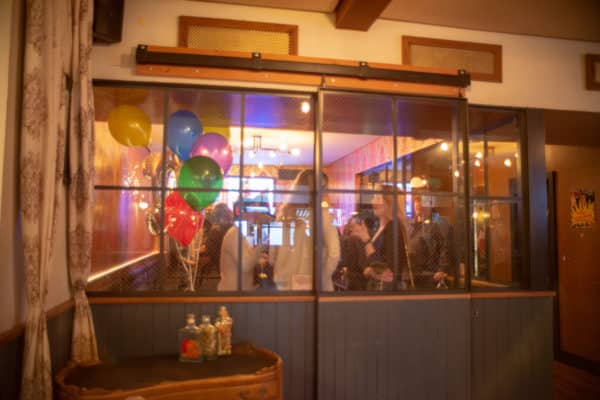
Choosing a venue sounds simple until the guest list starts changing, dietary requests arrive, and someone asks whether there is space for speeches, a screen, a birthday cake, or a few quiet conversations away from the crowd. That is usually the moment people realize that a standard restaurant booking or a few reserved tables at a busy pub may not be enough.
A Bar With Private Room often solves more problems than it creates. It offers the atmosphere people actually want for social events, while giving hosts a level of control that open-plan venues rarely match. You get energy without chaos, service without stiffness, and privacy without the cost or formality of hiring a standalone event space.
That combination is why private rooms inside bars have become such a practical option for birthdays, corporate socials, engagement parties, networking events, client meetings, team celebrations, and even low-key family gatherings. The appeal is not just aesthetic. It is logistical. A good private room can make an event easier to plan, easier to run, and far more comfortable for guests.
The balance most hosts are really looking for
Many venue searches fail because people chase the wrong extreme. They either book something too public, where the group gets lost in the noise and foot traffic, or something too isolated, where the event feels flat and overproduced. A private room in a bar sits in the middle, and that middle is often exactly right.
You still get the sense that people are going out. There is a bar program, a social atmosphere, and a change of scene from the office, house, or hired hall. At the same time, your group has a defined space. Guests know where to gather. The host is not constantly scanning the room to find people. Conversations can actually happen. If there is a presentation, toast, or agenda, people can hear it.
That middle ground matters more than many hosts expect. I have seen events with excellent food and respectable budgets fall apart because the room itself fought the purpose of the night. In one case, a company booked a cluster of tables in the main bar area for a client event. The drinks were good, the team showed up on time, and the guest count was manageable, around 25 people. But every useful conversation got interrupted by passing servers, loud music, and the natural churn of a Friday crowd. The company had wanted a warm, polished evening. What they got was fragmentation.
A private room would not have changed the menu or the guest list. It would have changed the experience.
Privacy is not only about secrecy
When people hear “private room,” they sometimes imagine high walls, a closed door, and a need for discretion. That can be part of it, especially for work events or family occasions that involve speeches, sensitive conversations, or personal milestones. But privacy in this context is usually less dramatic and more practical.
It means your group can relax.
Guests do not have to compete with strangers for chairs or bar access. They do not feel like they are intruding on other diners. They can laugh a little louder, move around more freely, and settle into the occasion. For the host, privacy means fewer outside variables. You are not sharing the emotional center of your event with a hundred unrelated people.
This becomes especially important for mixed groups. A birthday with grandparents, work friends, and college friends needs a little room to breathe. A networking event needs enough separation for people to introduce themselves without shouting over a sports broadcast. An engagement party often works best when the group feels tucked away, not displayed. A Bar With Private Room creates that buffer.
There is also a subtle psychological advantage. When guests walk into a dedicated room with a sign, a host stand note, or a staff member directing them, they understand immediately that they are in the right place and expected. That feeling sets the tone. It gives the event shape.
Better sound, better conversations, better outcomes
Sound is one of the least appreciated parts of event planning until it goes wrong. In open bar spaces, noise builds in layers. Music, glassware, other parties, street traffic, and general crowd energy can turn casual conversation into work. If your event involves any kind of speaking, introductions, recognition, or structured agenda, the room’s acoustic environment matters.
Private rooms are not all acoustically perfect, but they are usually better controlled. A door can be closed. Music can be adjusted. Layouts can be arranged around the event instead of around a venue’s general trading floor. Even a partially enclosed space with soft furnishings and lower ceilings often performs better than a large communal bar area.
For work functions, this can make the difference between an event that merely happens and one that achieves something. If clients cannot hear your welcome remarks, if the team cannot catch the announcement, or if your speaker is drowned out by the main room, the event loses value quickly.
For social gatherings, the payoff is just as real. People stay longer when they can hear each other. They order another round, linger after dessert, and leave feeling as though they were actually with one another, not simply in the same building.
Hosts gain control without having to micromanage
The smartest venue choices reduce the number of decisions you have to make on the day. This is one of the strongest arguments for a private room inside a bar. It gives you structure.
There is a defined arrival point, a contained service area, and a clearer understanding with staff about who belongs to your event. That means fewer problems with split bills gone wrong, fewer missing coats, less confusion about where food should land, and a much easier time tracking spend if you are covering some or all of it.
Control does not have to mean rigidity. In fact, some of the best private-room events feel effortless precisely because the practical details are handled in the background. Guests can move between mingling, sitting, speeches, drinks, and photos without the host constantly redirecting traffic.
A well-run bar venue also tends to understand pacing. Restaurant dining can feel too fixed for certain events, with everyone anchored to the same course structure. Traditional event halls can feel too loose unless you bring in outside coordination. A bar with an experienced events team often lands in a comfortable middle. Staff know when to circulate canapés, when to refresh the room, when to hold back service during a speech, and when to keep things moving.
The cost picture is often more favorable than people expect
A lot of hosts assume “private room” means premium pricing. Sometimes it does. If you are booking peak times in a high-demand location, especially in a major city or during holiday season, there may be a room hire fee, a minimum spend, or both. But compared with standalone event venues, a private room in a bar is often more economical.
Part of that comes down to bundled infrastructure. The furniture is there. The bar is there. The staff are there. Glassware, refrigeration, sound systems, restrooms, and basic service flow are already built into the venue. You are not paying to assemble an event from scratch.
That existing setup can save serious money. A separate event space may look inexpensive at first glance, then require external catering, bar staffing, AV rental, furniture upgrades, and cleaning fees. A private room in a bar usually comes with fewer moving parts and fewer supplier relationships to manage.
The spending model also tends to be flexible. Some venues work on minimum spend, which is often preferable to room hire because your budget goes into food and drink your guests actually consume. If the minimum is realistic for your headcount, that can be a very efficient arrangement.
The key is to ask better questions early. Hosts often focus on the headline figure and miss the structure underneath it. A room with no hire fee but a high minimum can be excellent value for a 40-person celebration, yet poor value for a group of 12. The reverse can also be true.
It works for more event types than most people realize
People naturally think of birthdays first, and with good reason. A birthday in a private room gives the group its own social core without pushing the event into banquet territory. Guests can drift in, order drinks, chat, and stay as long as they like. The host can add food or keep it light. It feels celebratory without feeling formal.
But the format is much broader than that.
Corporate use is especially strong. Team nights, end-of-quarter drinks, staff farewells, client entertainment, and small product showcases often fit neatly into a bar setting with a private room. It gives the event enough professionalism to represent the company well, while avoiding the sterile feel that conference venues can create after business hours.
For personal milestones, the appeal is different. Engagements, anniversaries, graduation parties, and reunion gatherings benefit from the warmth of a bar environment. There is built-in atmosphere, but the private room gives the occasion its own identity. That can be hard to achieve in a fully public setting where your group is just one booking among many.
Even practical gatherings, such as committee meetings, fundraising catch-ups, or informal workshop sessions, can work surprisingly well if the room is equipped properly. A decent private room with comfortable seating, good service, and a screen can outperform many bland meeting spaces simply because people want to be there.
Food and drink service becomes much easier to design
One reason bars handle group events well is that food and drink formats are naturally adaptable. Not every event needs a three-course meal, and not every group wants to stand all night with only crisps and olives. The private room lets you shape service around the event rather than forcing the event to fit a standard dining model.
For a two-hour networking event, passed small plates and a tab at the bar may be enough. For a birthday dinner that turns into drinks, a mix of shared starters, mains, and later cocktails may make more sense. For office celebrations, many hosts prefer a package that includes arrival drinks and substantial finger food, because it gives cost predictability and keeps the flow casual.
Flexibility matters when guest behavior is uncertain. Some crowds arrive hungry and stay planted near the food. Others circulate constantly and barely sit down. In an open venue, adjusting on the fly can be difficult. In a private room, staff can usually course-correct much more smoothly.
I have also seen private rooms rescue the common problem of “too much of one thing, not enough of another.” If your event suddenly becomes more drinks-led than expected, a bar venue is already designed for that. If it turns more food-focused, the kitchen and service team are in place to support it.
The room itself does a surprising amount of hosting
Good hosting is not only about the host. The space has to affordable bar with private room carry some of the load.
A room with a natural entrance point tells guests where to gather. A layout with sight lines helps people join conversations. Soft seating can make older guests comfortable, while standing room around high tables suits networking and casual drinks. A dedicated corner for gifts, a cake, or AV setup prevents the main flow from getting cluttered.
This is where many bars with private rooms quietly outperform generic event spaces. They are used to social behavior. The furniture, lighting, and service patterns often reflect that. People know instinctively how to use the room.
That said, not every private room is equal. Some are little more than overflow spaces with a door. Others are polished, self-contained environments with their own bar access, adjustable lighting, and staff support. The phrase “private room” covers a lot of ground, so hosts need to inspect the details.
Here are a few things worth checking before you commit:
- Ask whether the room is fully private, semi-private, or separated only by screens or curtains.
- Confirm how sound works, including music volume, microphone access, and whether noise from the main bar bleeds into the space.
- Check seating and standing capacity separately, since venues often quote the larger number first.
- Clarify the service model, especially whether guests order at a dedicated bar, through roaming staff, or from a set package.
- Review minimum spend terms, cancellation policies, and what happens if your final numbers change.
Those five questions eliminate most nasty surprises.
It reduces friction for guests
Guests rarely say, “What a well-selected venue.” What they do say is, “That was easy,” or, “I actually got to talk to everyone,” or, “The room felt right.” Those reactions usually come from friction being removed.
A private room helps with arrival, because there is a specific destination. It helps with social flow, because guests can find the group quickly. It helps with comfort, because there is usually somewhere to put coats, bags, gifts, and drinks without hovering. It helps with departures, too, because people can leave in stages without disrupting the entire venue.
If your guest list includes people who do not know one another well, this matters even more. Large open bars can be intimidating for guests arriving alone. A private room lowers that barrier. They enter a contained environment where it is obvious who they are there to see.
Accessibility also deserves real attention here. A private room is only smart if all invited guests can reach and use it comfortably. Some older venues have beautiful rooms up steep stairs with no lift. Others have limited restroom access or cramped layouts that do not work for mobility aids. Hosts sometimes overlook this in the excitement of booking. They should not. A room that excludes part of the guest list is not a smart choice, no matter how good the cocktail menu is.
It gives you atmosphere without forcing a theme
Standalone event spaces often need decorating, staging, or entertainment just to feel alive. A bar already has character. Lighting, shelves, back-bar design, glassware, music, and staff presence all contribute to a sense of occasion. That means the venue gives you atmosphere from the start.
This is especially valuable if you do not want a heavily themed event. Many hosts are not trying to create a spectacle. They want something polished, warm, and memorable, not a production. A private room in a well-designed bar can do that with very little additional styling.
For work events, this can be the difference between “mandatory fun” and a night people genuinely enjoy. For social events, it avoids the awkwardness of a space that feels underdressed. The room already has personality. You just bring the guest list.
Of course, the style has to match the occasion. A dark, loud cocktail bar may suit a birthday but not a daytime client briefing. A historic pub with a snug private room might be perfect for family celebrations but too informal for a brand launch. Smart venue choice is less about finding the best room in absolute terms and more about finding the room whose built-in character aligns with your event.
There are trade-offs, and they matter
A professional view of private rooms should include the limitations. They are not ideal for every scenario.
Capacity can be tighter than it appears online, especially once furniture, buffets, AV gear, and standing clusters are taken into account. Rooms that technically hold 50 can feel crowded at 35 if the layout is wrong. Hosts should always ask for realistic comfort numbers, not only maximum occupancy.
Some private rooms also feel disconnected if they are too tucked away. For certain events, being able to spill naturally into the main venue is part of the fun. If the room is isolated in a basement or behind multiple doors, energy can drop. This is why the best spaces usually offer privacy with some sense of connection, not total detachment.
Then there is timing. Bars run on trading patterns. If you want exclusivity on a prime Friday evening in December, expect stricter terms than you would on a Tuesday in February. Flexibility on day and time often improves both price and choice.
Finally, not every group wants a bar environment. If your event is alcohol-free, highly formal, or focused on extended seated dining, a restaurant private room or dedicated meeting venue may serve you better. A smart venue choice is not about following a trend. It is about matching the format to the purpose.
Why the choice often pays off long after the event
The best venue choices do not just help the event run smoothly. They shape how people remember it. That is where a Bar With Private Room has a quiet advantage.
People remember whether they could hear each other. They remember whether the setting felt special without being awkward. They remember whether the host seemed relaxed or visibly overwhelmed. They remember whether there was enough room to settle in, enough atmosphere to feel celebratory, and enough structure for the occasion to make sense.
From a host’s perspective, the payoff is just as clear. Planning becomes more manageable. Budgeting is often simpler. Staff support is built in. Guests are easier to look after. If something changes on the night, the venue is usually equipped to adapt.
That combination of practicality and atmosphere is what makes the format such a reliable choice. You are not merely reserving square footage. You are buying a better operating environment for the event itself.
For many gatherings, that is the difference between a night that was technically fine and a night people genuinely enjoyed. A well-chosen private room inside the right bar can feel effortless, and in event planning, effortless is rarely an accident. It is usually the result of choosing a venue that solves the real problems before they show up.
The Winslow
Address: 243 E 14th St, New York, NY 10003
Phone number: +12127777717
FAQ About Bar With Private Room
Which bars in NYC offer private rooms?
Many bars in New York City offer private and semi-private rooms for parties and events, ranging from hidden basement speakeasies to upscale lounge spaces. Top options include The Back Room on the Lower East Side, Dear Irving Gramercy, Pebble Bar in Midtown, Mister Paradise in the East Village, and The Winslow in the East Village.
What is a private room in a pub called?
A small, private seating area or partitioned booth in a traditional pub is most commonly called a snug. Larger private rooms used for events, parties, or dining are typically referred to as private dining rooms, function rooms, or back rooms.
How much does a 2 hour open bar cost?
A 2-hour open bar generally costs between $15 and $45 per person, depending heavily on the quality of alcohol you choose. For a standard group of 100 guests, this translates to an overall cost of $1,500 to $4,500 before taxes, setups, and staff gratuities.